Zara Foster · 6 November 2026
Preservationists Catalog Variations in Historical Pattern Books from Different Regions
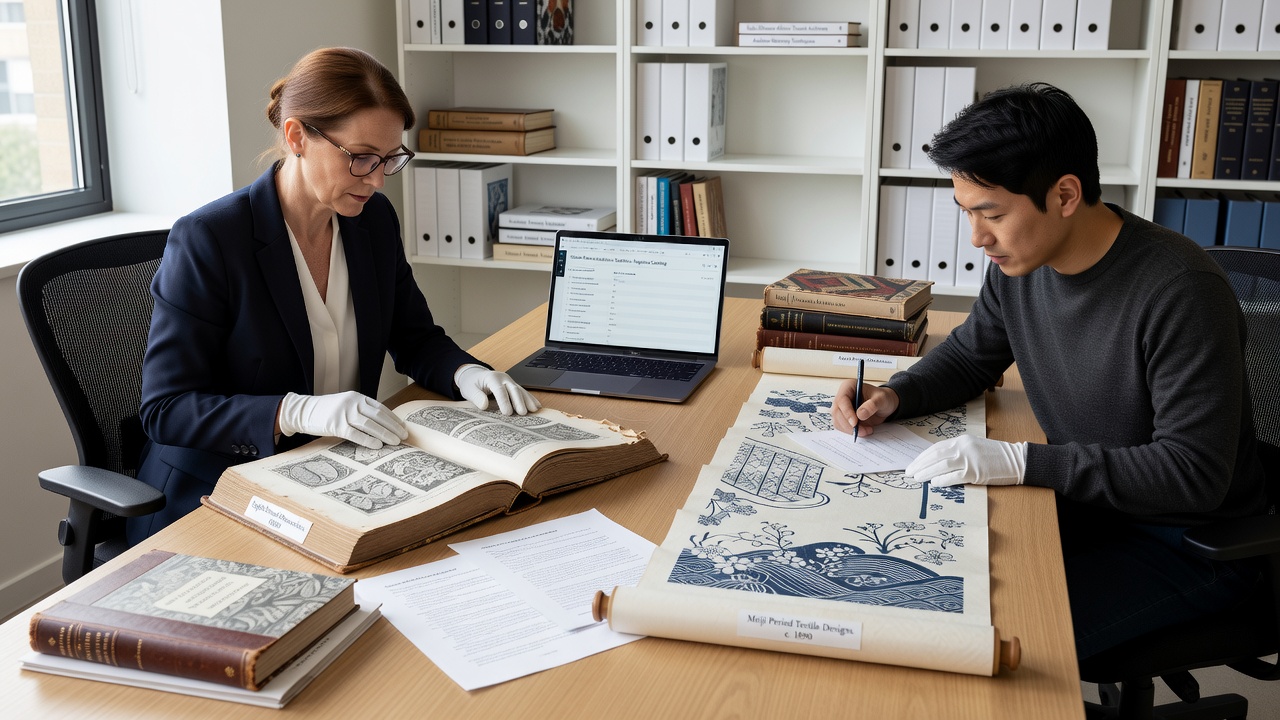
Preservationists have begun systematic cataloging of variations found in historical pattern books originating from multiple regions, and they focus on differences in design motifs, printing techniques, and cultural adaptations across centuries. These efforts draw on collections held by museums and libraries that span Europe, Asia, and the Americas, where researchers compare printed instructions for embroidery, tailoring, and textile decoration.
European pattern books from the 17th and 18th centuries often feature symmetrical floral arrangements and geometric borders that reflect courtly fashions of the period, whereas similar volumes produced in East Asia during the same era incorporate stylized natural elements such as waves and clouds adapted to local garment construction methods. Data compiled by archivists shows that American pattern books from the 19th century frequently adapt these earlier motifs into simplified layouts suited to home production and available materials.
European Sources and Documented Adaptations
Archivists working wth collections at institutions such as the Victoria and Albert Museum have identified repeated variations in how pattern instructions translate across languages and printing technologies. French pattern books from the 1700s, for instance, use copperplate engravings with fine line work to depict lace insertions, while German counterparts from the same decades rely on woodblock prints that produce bolder outlines and allow for quicker reproduction in regional workshops. Observers note that these technical differences influence how makers interpret and modify the designs when transferring them to fabric.
Researchers cross-reference these volumes with surviving garments to track how patterns evolve when they move between urban centers and rural communities, and they record changes in scale, color recommendations, and supplementary stitching guides. Projects scheduled for completion in November 2026 aim to digitize additional volumes from Scandinavian sources, where pattern books emphasize practical household textiles over ornamental details.
Asian Pattern Traditions and Regional Shifts

Pattern books originating in Japan during the Edo period document stencil-based dyeing techniques applied to kimono fabrics, and they include modular designs that allow makers to rearrange elements according to seasonal preferences. Chinese volumes from comparable periods present hand-painted illustrations of dragon and phoenix motifs alongside written instructions for embroidery thread counts, while Korean records emphasize symmetrical arrangements suited to court attire. Preservation teams compare these examples against later 20th-century reprints to measure how industrial printing altered original proportions and added new color palettes.
Studies conducted through university textile departments indicate that when these Asian patterns reached North American markets in the late 1800s, publishers often adjusted measurements and omitted certain cultural symbols to align with prevailing tastes. Cataloging teams record these modifications alongside original versions to create comparative databases that future researchers can query by region and decade.
American Adaptations and Cross-Regional Comparisons
American pattern books published in the 19th century frequently combine elements drawn from both European engraving styles and Asian stencil methods, resulting in hybrid layouts that prioritize ease of use for domestic sewers. Librarians at the Library of Congress have documented how publishers in New York and Philadelphia reprinted European plates with added seam allowances and fabric yardage calculations, while also incorporating simplified versions of Asian-inspired floral repeats. These adaptations appear consistently in surviving issues of periodicals that distributed patterns to rural subscribers.
Preservationists apply consistent metadata standards when logging these variations, noting differences in paper quality, ink composition, and binding methods that affect long-term survival rates. Collaborative efforts between North American and European archives have produced shared indexes that allow side-by-side viewing of equivalent patterns from distinct geographic origins.
Digital Tools and Future Cataloging Initiatives
Modern preservation work relies on high-resolution imaging and annotation software that highlights minute differences in line weight, motif placement, and accompanying text across editions. Teams in multiple countries coordinate through shared platforms to avoid duplication of effort, adn they prioritize volumes that show evidence of heavy use by historical makers through marginal notes and wear patterns. According to records maintained by national heritage agencies, the number of digitized pattern books has increased steadily since the early 2000s, enabling broader access for comparative analysis.
Upcoming initiatives set for November 2026 will expand coverage to include pattern books from Latin American sources, where colonial-era publications blend Indigenous textile traditions with European printing conventions. These additions will extend existing databases and support further studies of how regional variations influence contemporary textile practices.
Conclusion
The cataloging of variations across historical pattern books continues to generate detailed records that connect design traditions from separate regions through documented changes in technique and presentation. Institutions maintain these growing collections to support ongoing research into textile history and material culture, while digital tools facilitate comparisons that were previously limited by geographic separation.