Ben Keller · 11 September 2026
Community Centers Report Surge in Oak Motif Classes as Makers Seek Hands-On Alternatives to Digital Hobbies
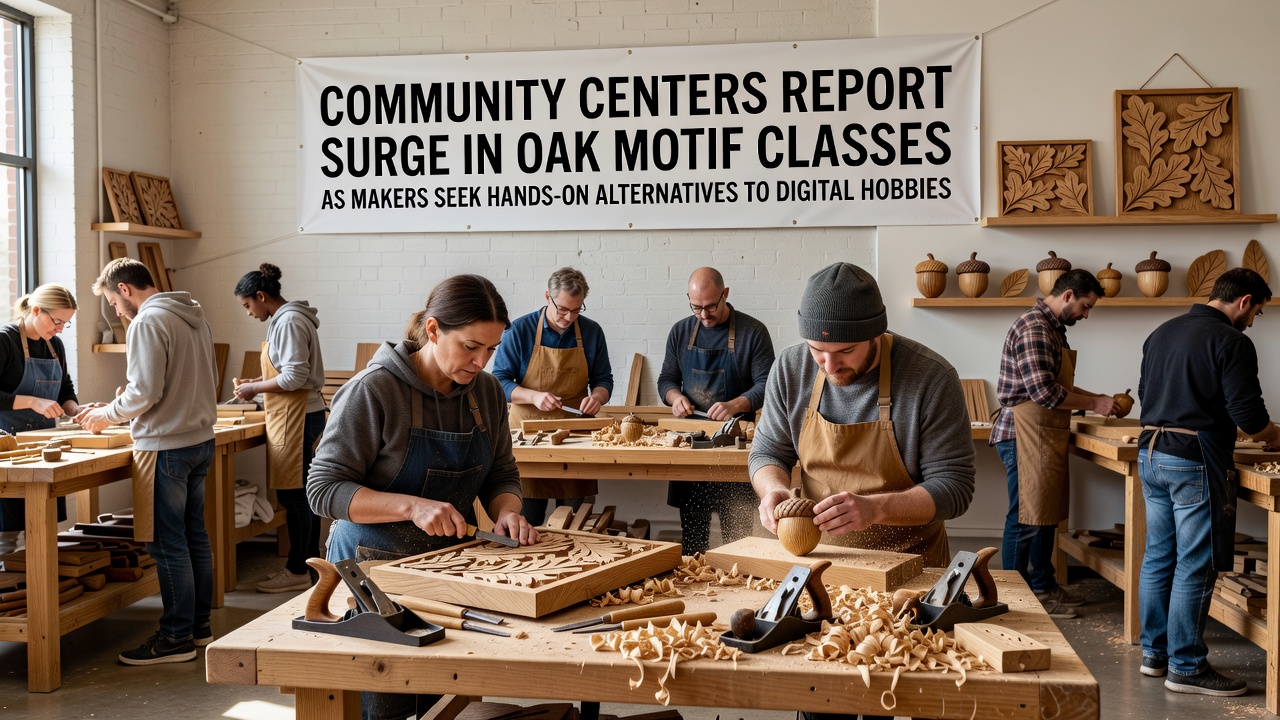
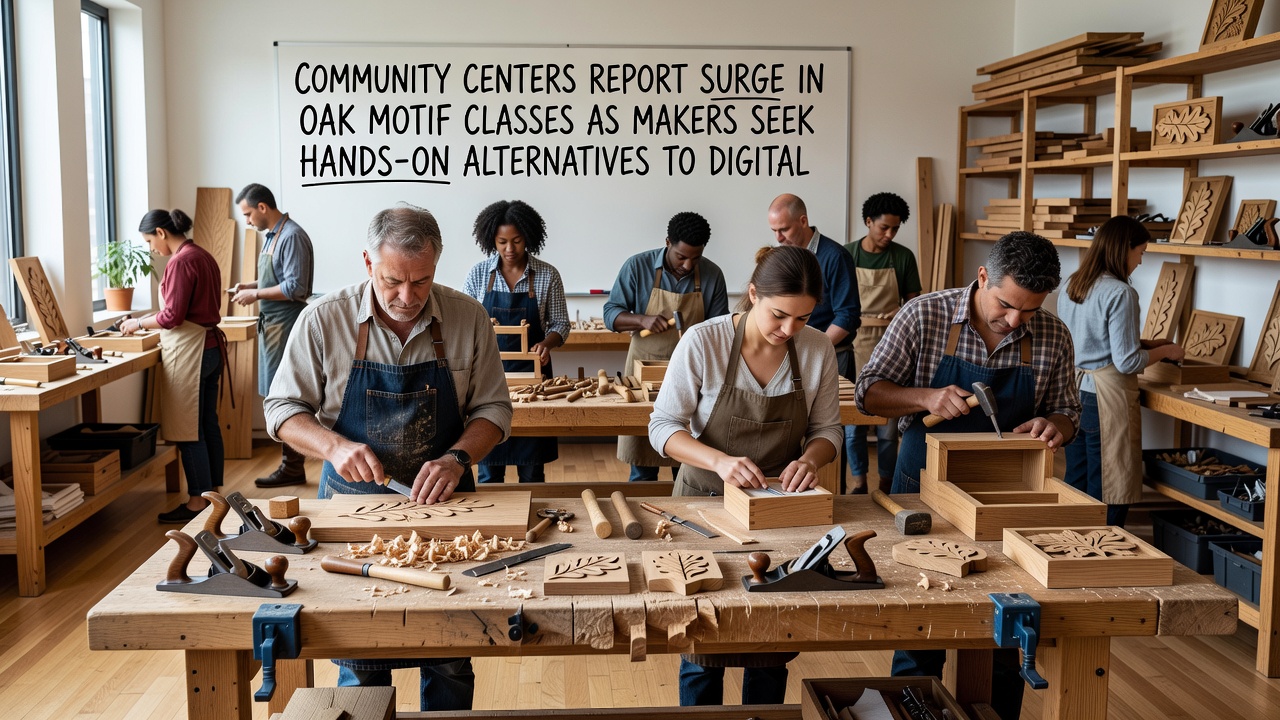
Community centers across multiple regions have documented rising enrollment in oak motif classes since early 2025, with data from September 2026 showing continued growth in participation rates. These classes focus on hands-on techniques such as embroidery, appliqué, and quilting that incorporate oak leaves, acorns, and related natural patterns, and they attract individuals looking for tactile alternatives to screen-based activities.
Enrollment Trends and Regional Data
Reports compiled by local recreation departments indicate that oak motif sessions now account for a larger share of craft programming than in previous years, and centers in both urban and rural areas have added extra classes to meet demand. According to figures from the National Recreation and Park Association, craft-related registrations rose notably between 2024 and 2026, with oak-themed offerings showing the steepest increases in several states. Centers report waitlists forming within days of posting new course schedules, while instructors note that many participants attend multiple sessions per week.
Observers point to shifts in leisure preferences as a key factor, and data collected through participant surveys reveal that adults aged 25 to 55 represent the largest group signing up for these programs. Many describe moving away from digital hobbies after extended periods of remote work or online entertainment, seeking instead activities that involve physical materials and direct manipulation of fabric and thread.
Class Content and Skill Development
Oak motif classes typically begin with basic stitching techniques before advancing to more complex designs that layer multiple oak elements onto backgrounds of linen or cotton. Instructors demonstrate methods for creating realistic vein patterns in leaves and textured surfaces on acorns, and students often progress to combining motifs into larger pieces such as wall hangings or quilt blocks. Sessions frequently incorporate discussions of material sourcing, including the use of sustainably harvested threads that match the natural color palette of oak bark and foliage.
Participants learn both traditional hand-stitching approaches and adaptations that allow for machine assistance on larger projects, and many centers schedule follow-up workshops where attendees refine their work over several weeks. One study from a midwestern university craft program found that individuals who completed at least six sessions demonstrated measurable improvement in fine motor coordination and reported greater satisfaction with the tangible results compared to their previous digital creative outlets.
Community Impact and Broader Context
Local organizations have responded by expanding partnerships with material suppliers and regional craft guilds, ensuring consistent access to oak-inspired pattern books and thread varieties. Centers in the Pacific Northwest and the Northeast have coordinated joint exhibitions that showcase finished oak motif works, drawing visitors who then enroll in subsequent classes. These events provide opportunities for makers to exchange techniques and discuss adaptations for different skill levels.
Research from academic sources, including a 2025 report issued by the Canadian Crafts Council, highlights how structured craft programs contribute to social connections among participants who might otherwise remain isolated in digital environments. The same report notes that oak motif classes, in particular, appeal because the natural forms allow for personal variation while still following recognizable botanical structures.
Additional data from European craft networks shows similar patterns in community settings, where enrollment in nature-themed textile courses has grown alongside interest in sustainable making practices. Centers track these developments through attendance logs and feedback forms, adjusting schedules to accommodate both beginners and those returning for advanced instruction.
Future Programming Considerations
Administrators at several facilities have begun planning extended series for late 2026 that will introduce variations on oak motifs, including seasonal adaptations and combined projects with other natural elements. Funding from local arts grants supports instructor training and the acquisition of specialized tools, while collaborations with nearby botanical gardens supply reference materials for accurate leaf rendering.
Records maintained by participating centers indicate that retention rates remain high, with many individuals continuing into related programs such as natural dyeing or basic textile design. These patterns suggest that the current interest in oak motif work forms part of a wider movement toward craft activities that emphasize physical engagement and material knowledge.
Conclusion
Community centers continue to adjust their offerings in response to documented demand for oak motif classes, and the trend observed through September 2026 reflects broader changes in how people allocate leisure time. Available records and participant data provide a factual basis for understanding this development, while ongoing programming expansions indicate that such classes will remain available in multiple locations.